The Hidden Wounds: Understanding the Trauma of Adoption
Adoption is often celebrated as a story of rescue, love, and new beginnings. While there is truth and beauty in that narrative, it is not the whole story. For many adoptees, adoption is also the start of a lifelong process of healing from loss — loss of birth family, identity, culture, and sometimes safety. To truly honor adoption, we must hold both truths: that it brings hope, and that it often begins in trauma (Brodzinsky, 2021).
An Adoption Story
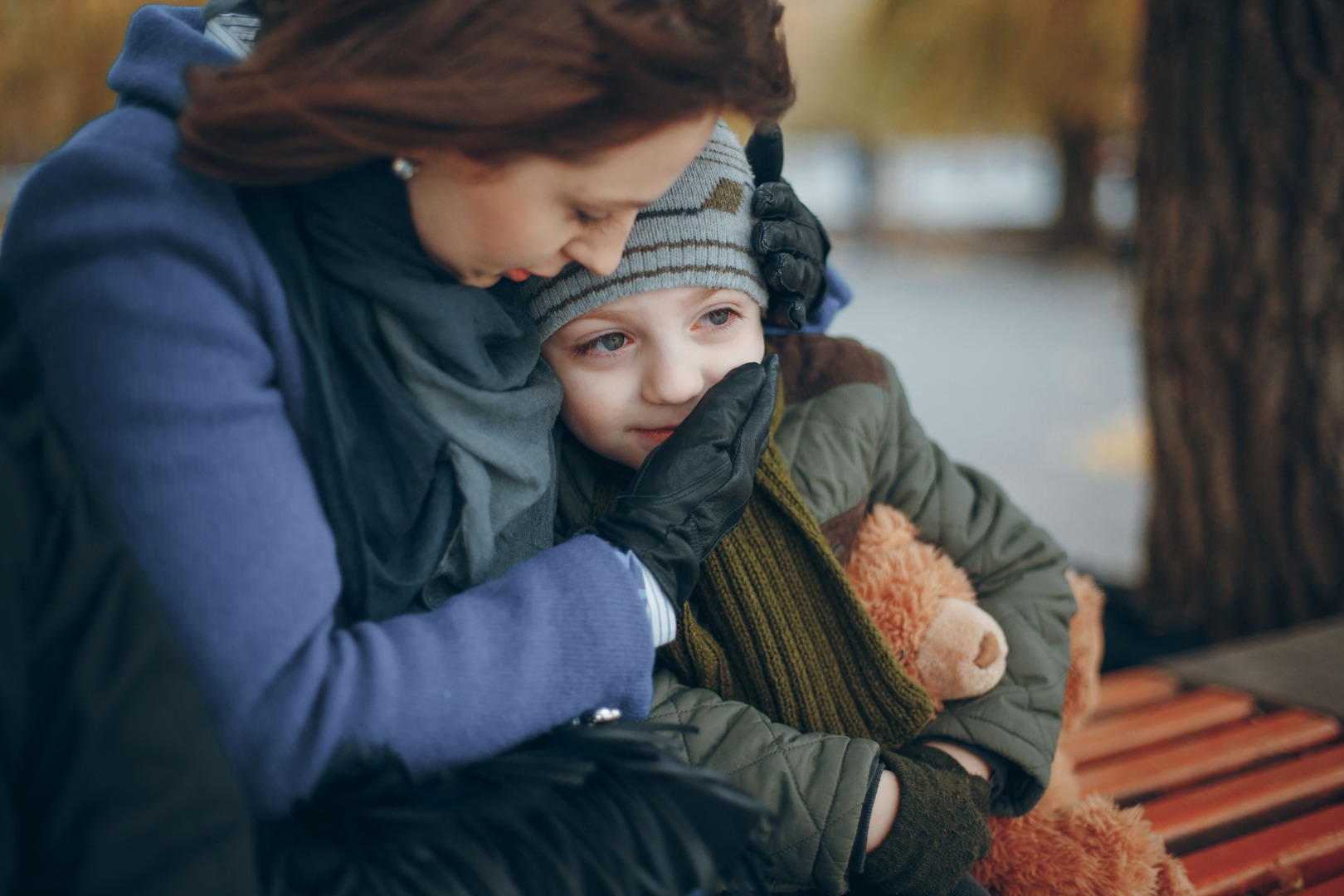
When Sarah adopted five-year-old Lily from foster care, she imagined laughter echoing through the house, bedtime stories, and unconditional love. Instead, the first months were filled with confusion and heartbreak. Lily would flinch when Sarah reached out to hug her. At night, she screamed in her sleep, calling for a mother Sarah had never met. “I thought love would be enough,” Sarah later shared, “but Lily’s pain ran deeper than I could see.” Sarah’s story isn’t unique — it reflects the invisible layers of trauma that often accompany adoption. Many adopted children have lived through experiences of neglect, abuse, or repeated separations. Even infants who were adopted at birth can carry the imprint of early stress, as separation from the biological mother registers in the body long before conscious memory forms (Rutter et al., 1998). These early adversities can alter brain development, especially in regions responsible for emotional regulation, attachment, and trust (Child Welfare Information Gateway, n.d.-a). What parents may see as defiance or withdrawal often reflects a child’s nervous system still wired for survival. Attachment plays a crucial role in how adoption trauma unfolds. Children like Lily may desperately crave love yet fear it at the same time. Early caregivers who were inconsistent or unsafe can teach a child that closeness equals danger. Even after being placed in a stable, nurturing home, the child’s body may remain on high alert. Building secure attachment takes time, patience, and often professional help (Raby et al., 2018). Another layer of adoption trauma involves identity and loss. For adoptees, questions of “Who am I?” or “Why wasn’t I kept?” can echo throughout adolescence and adulthood. Lily, for instance, began asking about her birth mother as she got older — not out of disloyalty to Sarah, but from a natural desire to piece together her story. Acknowledging this grief, rather than minimizing it, helps adoptees heal. Pretending that adoption only brings joy silences the very pain that needs to be heard (Brodzinsky, 2021).
Adoptive Parents
Adoptive parents, too, can experience what researchers call “secondary trauma.” The stress of managing a child’s past trauma, behavioral outbursts, or emotional distance can lead to exhaustion and feelings of failure. Sarah eventually joined a support group for adoptive parents, where she learned she wasn’t alone. Hearing others share the same struggles helped her replace shame with compassion — for herself and for Lily (Tremblay et al., 2023).
Healing
The good news is that healing is possible. With trauma-informed parenting, therapy, and time, many adoptees build secure attachments and thrive. Lily began to open up after starting play therapy and using a “feelings chart” at home. Slowly, she began trusting that Sarah wasn’t going anywhere. Small moments — a spontaneous hug, a shared laugh — marked huge steps in their journey toward safety and connection. Community support and education are vital. Teachers, doctors, and relatives must understand that adoption doesn’t erase trauma; love must be paired with knowledge. Programs such as PATH (Promoting Attachment and Trauma Healing) equip caregivers to respond not with punishment or frustration, but with empathy and co-regulation strategies (Child Welfare Information Gateway, n.d.-b). When communities embrace trauma-informed care, adopted children and families have a far greater chance of long-term stability. Sarah’s story — like many others — shows that adoption is not a one-time event but an ongoing relationship shaped by both pain and resilience. It’s about rewriting a child’s story, not erasing it. Healing doesn’t mean forgetting the past; it means learning that love, when combined with understanding, can slowly rebuild what was once broken. If you are an adoptive parent, professional, or adoptee, remember this: acknowledging adoption trauma doesn’t make adoption less beautiful — it makes it more human. Healing takes courage, time, and connection, but it is possible. Every moment of understanding, every patient embrace, and every tear shared brings one step closer to safety, belonging, and wholeness. If you have been touched by adoption and need help with healing, or figuring out “what’s next?”. If this is true for you, contact our office at 573-469-2433 or visit our website at www.gracebhs.com. LeAnna Fowlds, LCSW is ready to meet you where you are.
References (APA-style)
Brodzinsky, D. M. (2021). Adoption and trauma: Risks, recovery, and the lived experience. Retrieved from PubMed Central. Child Welfare Information Gateway. (n.d.-a). Trauma-informed practice. U.S. Department of Health and Human Services. Child Welfare Information Gateway. (n.d.-b). Promoting Attachment and Trauma Healing (PATH). U.S. Department of Health and Human Services. Raby, K. L., et al. (2018). Attachment across the lifespan: Insights from adoptive families. Journal of Child Psychology and Psychiatry. Rutter, M., et al. (1998). Developmental catch-up and deficit following adoption from severe early deprivation: Findings from the English and Romanian Adoptees study. Child Development, 69(4), 932–946. Tremblay, K., et al. (2023). Filial trauma: The experience of adoptive parents who self-report symptoms of secondary trauma. Frontiers in Psychology.