
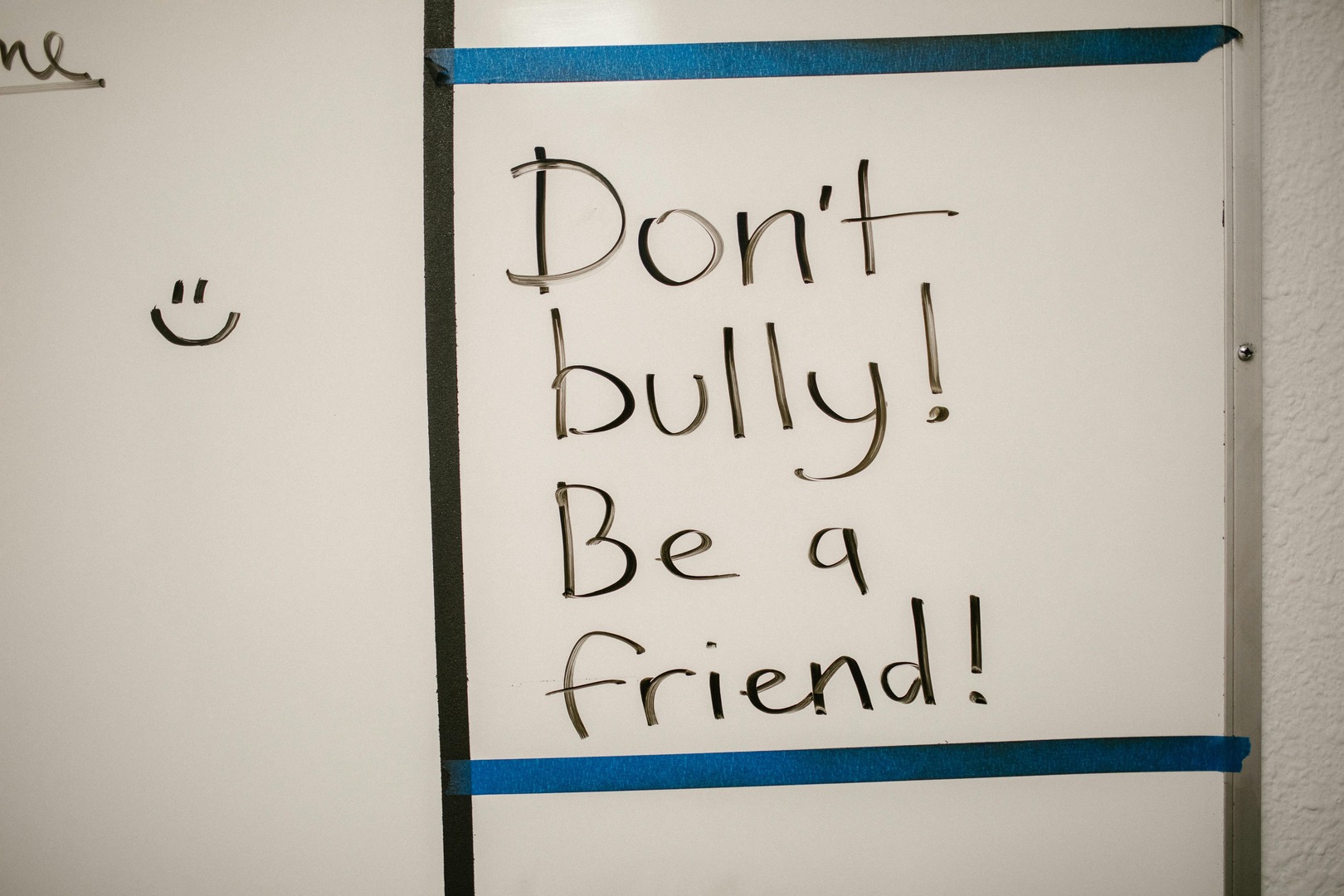
October: A Call to Kindness, A Stand Against Bullying
October is more than the turning of the leaves, the crisp air, or pumpkin spice delights. It is National Bullying Prevention Awareness Month, a dedicated time for reflection, education, and action against one of the quietest yet most pervasive injustices in our schools, communities, and online spaces (StopBullying.gov+2PACER Center+2).
We often think of bullying as a passing schoolyard taunt or a fleeting moment of adolescent cruelty. But for the child on the receiving end, it rarely feels fleeting. Its echoes can resound for years—undercutting self-worth, distorting relationships, and dimming dreams. In this blog, I invite you into the emotional heart of bullying prevention: the lived stories, the research, and the hope for better.
The Landscape of Bullying: Why October Matters
Every October, advocates, schools, nonprofits, and communities rally around the message: bullying is not inevitable, and we all have a role to stop it. The first Monday in October is observed as World Day of Bullying Prevention, a day when people are encouraged to wear blue in solidarity and to raise awareness (Stomp Out Bullying).
Since PACER first established October as a month of observance in 2006, the movement has grown. The goal is not just awareness, but action—to cultivate cultures of kindness, inclusion, and accountability (PACER Center+1).
One statistic gives us a sobering frame: in 2021–22, about 19 percent of U.S. students aged 12 to 18 reported being bullied at school (National Center for Education Statistics+1). Nearly a quarter of those bullying incidents involved online or text interactions (National Center for Education Statistics). These are not rare, isolated events—they are common, traumatic, and deserving of our attention.
The Many Faces of Bullying
Bullying is not one thing. It shows up in verbal insults (“You’re worthless”), physical acts (pushing, shoving), social exclusion (leaving someone out), relational aggression (spreading rumors, turning friends away), and cyberbullying (harassment via text, social media) (NCTSN+4PositivePsychology.com+4PubMed Central+4). Because some forms—like relational aggression or cyberbullying—are more hidden or diffuse, they can be especially insidious. A whispered rumor can feel like poison; a social post that ridicules someone can reach thousands instantly (PubMed Central+1). American middle school surveys have shown that cyberbullying has triggered more depression and suicidality than conventional bullying (The Association of Bullying and Suicidality: Does it Affect the Pediatric Population? – PMC).
We often underestimate the damage of nonphysical bullying, dismissing it as “kids teasing.” But the emotional wounds can run just as deep, or deeper. There is an elevated trend of bullying and suicidal thoughts in 13-year-olds (11.6%-14.7%), and an elevated trend of bullying and suicidal attempts in 15-year-olds (5.4%-6.8%) (Bullying Statistics in U.S 2025 | Bullying Facts – The Global Statistics).
The Toll: Emotional, Mental, and Academic Consequences
The impacts of bullying are well documented. Victims are more likely to experience depression, anxiety, loneliness, sleep disturbances, and shifts in eating patterns (PubMed Central+4StopBullying.gov+4PubMed Central+4). Some studies show that bullying doubles the risk of later psychotic symptoms (NCBI).
Longitudinal research suggests victims of bullying have greater odds of anxiety disorders later in life, and in extreme cases, increased risk of suicidal thoughts or self‐harm (PubMed Central+2PubMed Central+2).
Academically, bullying often forces the victim into retreat. Some skip school to avoid pain or humiliation; others lose concentration, participation, or drop out altogether (PubMed Central+3DoSomething.org+3Arts Academy in the Woods+3). According to estimates, approximately 160,000 students in the U.S. miss school each day out of fear of bullying (DoSomething.org+1).
In more extreme, long-term studies, being bullied in childhood is linked to lower adult wellbeing, fewer employment opportunities, and even higher risks of premature death (ScienceDirect+1).
A Heartbreaking Story: Meet “Lena”
Lena was in 6th grade when the whispers started. At first, it was small: a pencil hidden in her locker, classmates laughing when she walked by, coy texts forwarded behind her back. She was a quiet, thoughtful girl who loved art and books. But soon, she became the target of jokes and exclusion.
When her lunch table went silent one day, she plopped down anyway—only to have her tray shoved and a carton of milk spilled. A classmate sneered, “Nice move, ghost girl.” Her face burned. She ate quickly, tears stinging, and fled to the bathroom.
Night after night, she lay awake, heart pounding, replaying the day’s insults. She stopped raising her hand in class, worried someone would mock her voice. Her grades slipped. She began skipping school—“stomach ache,” she told her mother. But her mother knew.
By freshman year, Lena hardly recognized her reflection. She muttered to herself in the mirror: You’re invisible. You don’t matter. She considered dropping out.
Some nights, the darkness whispered something worse: Maybe no one would notice if I disappeared.
This went on until she finally told a counselor. She wept, hands shaking, voice barely audible. But she told.
With support, therapy, and a slow circle of real friends, Lena started healing. She joined the art club, painted murals of hope, and eventually found a voice she thought she’d lost. But the scars remain—some nights, the past still whispers.
Lena’s story is not an extreme outlier—it is too familiar.
Why We Must Care: Because Bullying Is Everyone’s Business
You might say, “I wasn’t bullied; I never bullied.” But we all inhabit the same ecosystems—schools, neighborhoods, social media. Bullying changes the climate of safety and belonging for everyone.
Witnesses to bullying often feel powerless, anxious, or guilty. Many students report they don’t intervene out of fear. But when someone speaks up, even once, it can shift norms (Bullying Free NZ+1).
Bullies themselves also suffer—though in different ways. Youth who bully are more likely to abuse substances, face academic problems, and engage in violent behavior later (CDC+1).
When we fail to act, we allow cruelty to become normalized.
Research-Backed Pillars of Prevention
How do we make schools and communities safer? Research suggests several protective approaches:
- Cultivate connectedness and positive relationships. Parental support, teacher engagement, and peer bonds buffer against bullying’s harm (PubMed Central+2Frontiers+2).
- Teach social-emotional skills. Empathy, conflict resolution, emotional regulation—all of these help reduce aggression and increase resilience.
- With clear policies and enforcement. Bullying prevention plans must be known, consistent, and taken seriously.
- Encourage bystander intervention. Equip witnesses with safe strategies to intervene or report.
- Promote inclusive, respectful culture. Diversity, kindness, and respect should be celebrated and modeled daily.
When these pillars are in place, bullying is less likely to flourish—and when it does, it is less likely to wound as deeply.
What You Can Do This October (and Beyond)
If you’re reading this, you likely care—and that is the beginning of change.
- Wear your blue (or orange on Unity Day). Show solidarity on World Day of Bullying Prevention and Unity Day (Stomp Out Bullying+1).
- Share stories and raise awareness. Use social media, school bulletin boards, or local events to amplify voices.
- Learn to recognize signs. Withdrawal, sudden behavior changes, drop in grades, reluctance to go to school—these may signal bullying.
- Speak up safely. If you see bullying, intervene if safe to do so or report to an adult.
- Offer support. A simple “I saw that—are you okay?” can change someone’s day. Be a listening ear.
- Push for policy. Advocate in your school or district for effective bullying prevention programs.
- Sustain action year-round. Awareness is vital, but consistent culture-shifting requires persistence.
The Emotional Core: Empathy as a Foundation
Statistics, policies, and programs matter, but change happens when hearts change. October reminds us that behind every number is a child—someone with dreams, fears, talents, and vulnerabilities.
When we listen before judging, include before excluding, and speak up when silence reigns, we practice the very thing bullying steals: dignity.
Lena’s story could be someone’s sibling, neighbor, classmate. Your voice might be the one they remember.
Hope, Healing, and Resilience
While bullying inflicts deep wounds, healing is possible. With therapy, supportive relationships, and environments of acceptance, survivors rebuild. Many go on to become advocates, creators, healers.
But healing is not a solo journey. We must build systems—schools, families, communities—that refuse to let cruelty stand unchallenged.
October is a month of symbolism—but its true power lies in the everyday acts of kindness and courage that follow. If each October reminds even one student they are not alone, then it is worth it.
A Final Word
As you move through October—perhaps seeing blue shirts, hearing announcements, reading signs—know this: it is not just a campaign. It is a path toward a world where no one fears cruelty disguised as humor, no one shrinks to fit in, and every voice matters.
Let us, this month and always, commit ourselves to stories like Lena’s. May we be bold enough to interrupt a cruel comment, compassionate enough to hold a hand, courageous enough to demand systemic change. In doing so, we can turn October into more than awareness—it can become a turning point for countless lives.
Maybe bullying played a part in your past and it still affects you today. Maybe you’re currently dealing with bullying. Maybe you’ve been the bully and want help understanding the root of your anger. However bullying has affected you, LeAnna Fowlds, LCSW with Grace Behavioral Health is ready to help with your next steps. Contact the office at 573-469-2433 or visit our website at www.gracebhs.com.
Sources
StopBullying.gov — “October is National Bullying Prevention Awareness Month” StopBullying.gov
National Center for Education Statistics — Fast Facts on bullying prevalence National Center for Education Statistics+1
NCBI / “Consequences of Bullying Behavior” NCBI
NCTSN — Effects of bullying on children and teens NCTSN
PMC: “The persistent and pervasive impact of being bullied in childhood” PubMed Central
Study on long-term adult outcomes of childhood bullying ScienceDirect+1
The Association of Bullying and Suicidality: Does it Affect the Pediatric Population? – PMC
Bullying Statistics in U.S 2025 | Bullying Facts – The Global Statistics